Botanical Torn Paper Digital Backgrounds: Versatile Design Assets
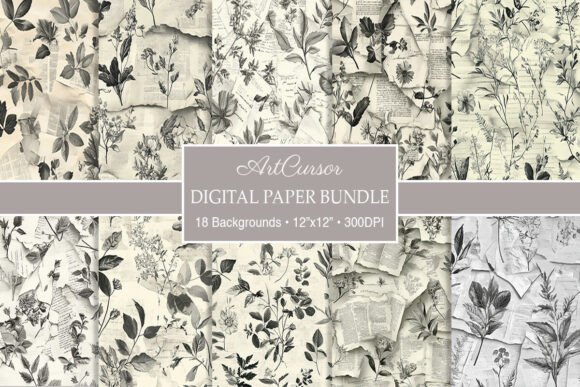
There's a certain tactile quality to torn paper that immediately grounds a design. It feels handmade, authentic, and slightly imperfect in the best way possible. When you combine that raw texture with the elegance of botanical illustrations, you get a design asset that's both sophisticated and approachable. These Seamless Greyscale Botanical Torn Paper Pages Digital Paper Backgrounds are exactly that—a collection of 18 high-quality textures designed to add depth, character, and a touch of nature-inspired artistry to your projects. They aren't just decorative; they're functional tools for creating visual narratives.
Understanding the Aesthetic and Its Practical Power
Visually, each background in this collection presents a layered story. You have the soft, organic forms of botanical elements—leaves, ferns, delicate branches—rendered in greyscale. Over this, the torn paper effect creates a dynamic, irregular border. This combination is powerful because it offers contrast: the precision of nature illustration against the casual, rugged edge of torn paper. The greyscale palette is a strategic choice. It provides incredible versatility, acting as a neutral foundation that won't clash with your color schemes. It allows the texture to enhance rather than dominate, making it ideal for projects where typography or other design elements need to remain the focal point.
The personality of these backgrounds is one of understated creativity. They evoke a sense of vintage charm, botanical study, and artistic journaling. This style resonates deeply with audiences who appreciate craftsmanship and authenticity. In a digital landscape often saturated with clean, sterile minimalism, these textures offer a human touch. They can soften a brand's identity, add narrative depth to marketing materials, and make physical products feel more bespoke and considered.
Where These Textures Truly Shine: From Screen to Print
The true value of a design asset is measured by its application. These Botanical Torn Paper Digital Backgrounds are built for versatility. Their seamless, high-resolution format (300 DPI, 12"x12") makes them suitable for both digital and print projects at a professional standard.
- Digital Branding & Web Design: Use them as website hero image backgrounds, social media post templates, or digital ad visuals. They add visual interest without sacrificing readability when used correctly. For a lifestyle blog, an eco-friendly brand, or a floral business, they can establish an immediate and compelling mood.
- Editorial & Publishing: As book covers, chapter title pages, or interior textures for magazines and lookbooks, they provide a curated, artistic feel. They work exceptionally well for genres like historical fiction, poetry collections, wellness guides, or botanical manuals.
- Packaging & Product Design: Imagine these textures on product labels for artisanal goods, on the sleeve of a coffee bag, or as the background for a greeting card. They communicate quality and thoughtfulness. For print-on-demand items like mugs, t-shirts, and stickers, they offer a unique, sellable aesthetic.
- Personal & Craft Projects: For scrapbooking, junk journaling, invitations, and DIY wall art, these backgrounds are a perfect fit. They provide a professional-quality foundation that elevates handmade projects.
From a brand perception standpoint, using such textures consistently can build recognition. It signals a brand that values detail, artistry, and a connection to organic elements. It’s a subtle way to differentiate in crowded markets, especially for businesses in creative, wellness, or artisanal spaces.
Integrating These Backgrounds Into Your Design Workflow
Simply downloading a texture isn't enough; using it effectively is key. Here’s how to think about integrating these botanical torn paper pages into your projects with intention.
Evaluate Project Fit: Consider your project's core message. Is it meant to feel modern and sleek, or warm and textured? These backgrounds lean toward the latter. They pair beautifully with serif fonts for a classic editorial look, or with clean sans-serif fonts to create a compelling contrast between old and new. A script or handwritten font can enhance the personal, artisanal quality.
Mastering Readability and Hierarchy: The main challenge with textured backgrounds is ensuring text remains legible. The greyscale nature of these assets is your ally here. Use overlays: place a semi-transparent solid color (white, cream, or a muted tone) in a box over the background where your text will sit. Alternatively, choose font colors with strong contrast—deep charcoal or a bright white can often work well against the mid-tones of the texture. Always test at the intended size and on different screens if it's for digital use.
Testing Font Pairings and Layout: Don't just slap text on the texture. Use the torn paper edge as a design element in itself. Align your text block to follow the contour of a tear, or use the texture to frame a central design. Test pairings: a bold, modern display font for headlines against a simple body text font can look striking. The goal is to let the background support your message, not compete with it.
Leveraging the Formats: The inclusion of both PNG and JPEG files offers flexibility. Use PNGs when you need to layer the background with other elements or require transparent sections. JPEGs are often more efficient for web use where file size is a concern. The ability to easily resize and edit with different software means you can adapt a single background for multiple uses—a website banner, a social media square, and a print flyer—maintaining brand consistency.
Ultimately, these Seamless Greyscale Botanical Torn Paper Pages are more than just decorative papers. They are premium design assets that can help tell a story, define a brand's character, and add a layer of sophisticated texture to any creative endeavor. By understanding their visual personality and applying them with thoughtful technique, you can transform standard projects into memorable, engaging experiences for your audience. Explore the collection and see how these textures can become a foundational part of your creative toolkit.